
Sukshma Vyayam: 7 Gentle Mobility Exercises for Flexibility and Yoga Preparation
Introduction
Have you ever tried practising yoga at home on your own? If so, you may have noticed that some yoga postures feel difficult when your body is not accustomed to the required movements.
Many beginners assume that they need greater flexibility to practise yoga effectively. However, flexibility develops gradually through regular practice, appropriate preparation, and mindful movement. Pushing into a posture before your body is prepared can make the movement uncomfortable and place extra stress on the body.
This is where Sukshma Vyayam can be useful. Sukshma Vyayam uses gentle, controlled movements to loosen the body and prepare the joints and muscles for yoga practice. These gentle practices introduce movement gradually and help you become more aware of how your body moves.
A well-prepared body can make yoga practice more comfortable and controlled. Sukshma Vyayam can therefore be used as a gentle preparatory routine before practising yoga asanas, particularly when the body feels stiff or has been inactive for some time.
In this article, we will explore 7 gentle Sukshma Vyayam movements for different areas of the body and learn how they can be incorporated into a regular yoga practice.
Major Joint Areas Covered in Sukshma Vyayam
- Head and Neck Joints
- Neck and Shoulder Joints
- Arms, Elbows, Wrists and Hand Joints
- Finger and Thumb Joints
- Torso and Spinal Mobility
- Hip and Leg Joints
- Ankle, Foot and Toe Joints
Understanding these areas of the body can help us practise their movements with greater awareness and prepare gradually for yoga asanas.
A. Head and Neck Joint Mobilization
Long hours at a desk or frequent phone use can leave the neck feeling tight and restricted. Adding a few controlled neck movements before yoga can make the initial practice feel easier and more natural.
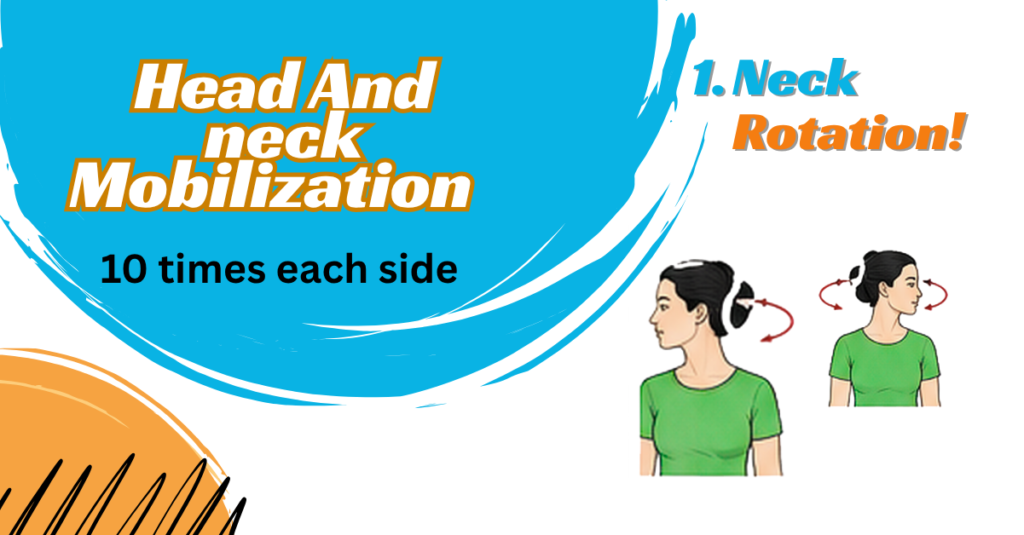
1. Neck Rotation
Sit in a comfortable position with your back upright and shoulders at ease.
Keep your face directed forward and slowly turn your head towards the right.
Return your head to the centre without making any sudden movement.
Turn your head towards the left and gently come back to the centre.
Move through the exercise five times on either side without going beyond an easy range of motion.
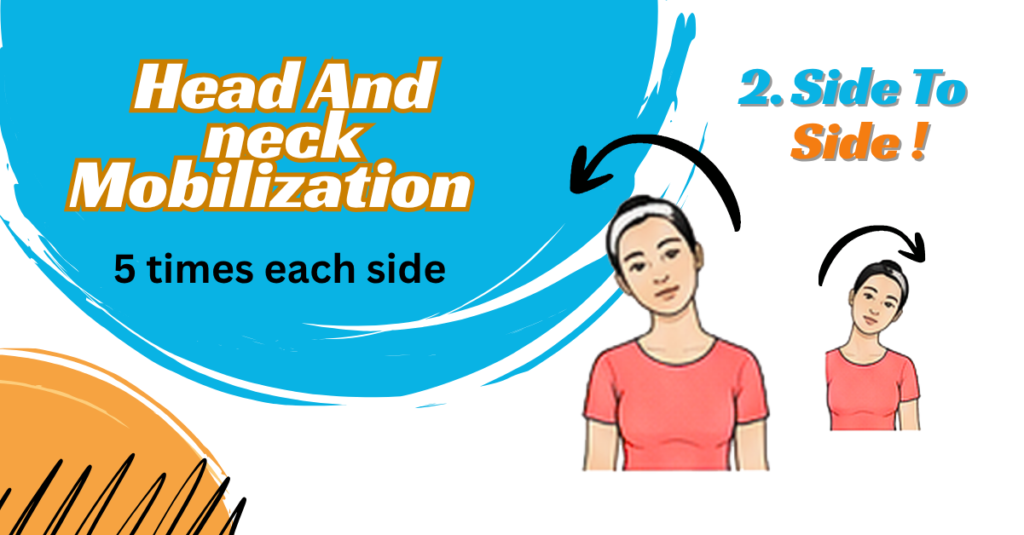
2. Side-to-Side Neck Movement
- Take a steady seated position and let your shoulders rest naturally.
- Keep your face looking forward.
- Slowly bring your right ear towards your right shoulder without lifting the shoulder.
- Return your head to the centre.
- Return to the centre, then perform the movement on the left side.
- Perform 5 repetitions on each side, moving only as far as feels comfortable.
Important: If you have cervical spondylitis, neck injury, dizziness, or any medical condition affecting the neck, consult a healthcare professional before attempting this exercise.
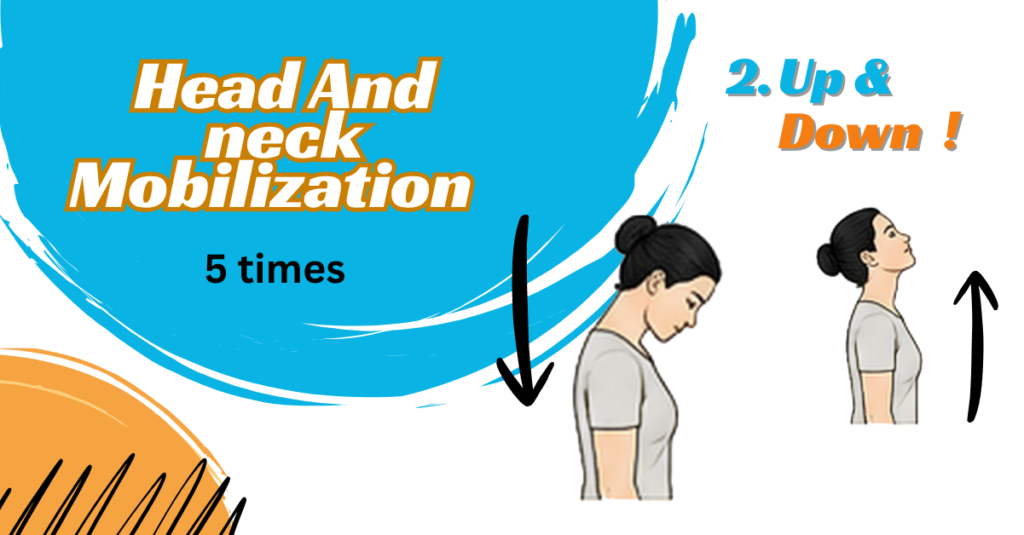
3. Neck Flexion and Extension
- Sit upright with your shoulders relaxed and your gaze facing forward.
- Slowly lower your chin towards your chest, without forcing the movement.
- Return your head to a neutral position.
- Gently raise your chin and move your head slightly backward, stopping before you feel any strain.
- Return to the starting position.
- Repeat 5 times, keeping the movement slow and controlled.
B. Gentle Eye Movements for Screen Breaks
Extended screen use can make the eyes feel strained, especially when we spend long periods concentrating on nearby content. A short pause from close-up work gives you an opportunity to relax your gaze before returning to your activities.
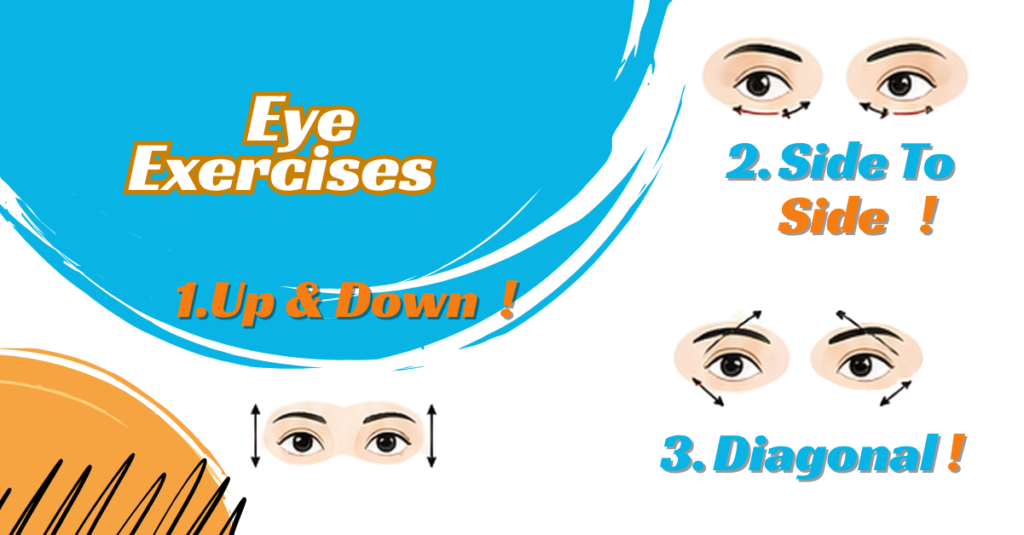
A Simple Eye-Movement Routine:
- Look straight ahead, then slowly move your gaze upward and back to the centre.
- Move your gaze downward and return to the centre.
- Look towards the right, come back to the centre, and then look towards the left.
- Shift your gaze gently towards the upper-right and upper-left directions.
- Close your eyes for a few moments and allow them to rest.
- Open your eyes and blink normally before returning to your activity.
For regular screen use, remember to take frequent breaks, blink regularly, and occasionally shift your focus to something farther away. For more information on taking screen breaks, see the National Eye Institute’s eye-health guidance.
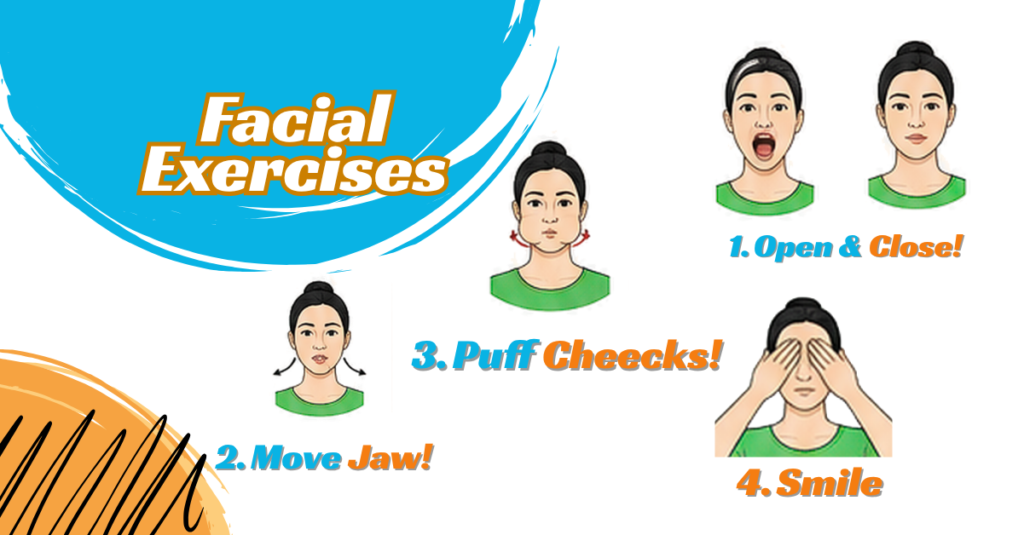
C. Facial and Jaw Relaxation Movements
The face and jaw can also hold tension, particularly when you are concentrating or sitting for long periods. A few simple movements can bring gentle awareness to these areas.
Simple Facial and Jaw Movements
- Open your mouth gently and close it without clenching your teeth.
- Move the lower jaw slowly from one side to the other.
- Fill your cheeks with air, hold briefly, and release.
- Open the smile gently for a moment, then release it and soften the facial muscles.
If you have jaw pain, clicking, locking, or a known jaw disorder, avoid movements that cause discomfort and seek appropriate professional advice.
D. Shoulder Mobility Exercises
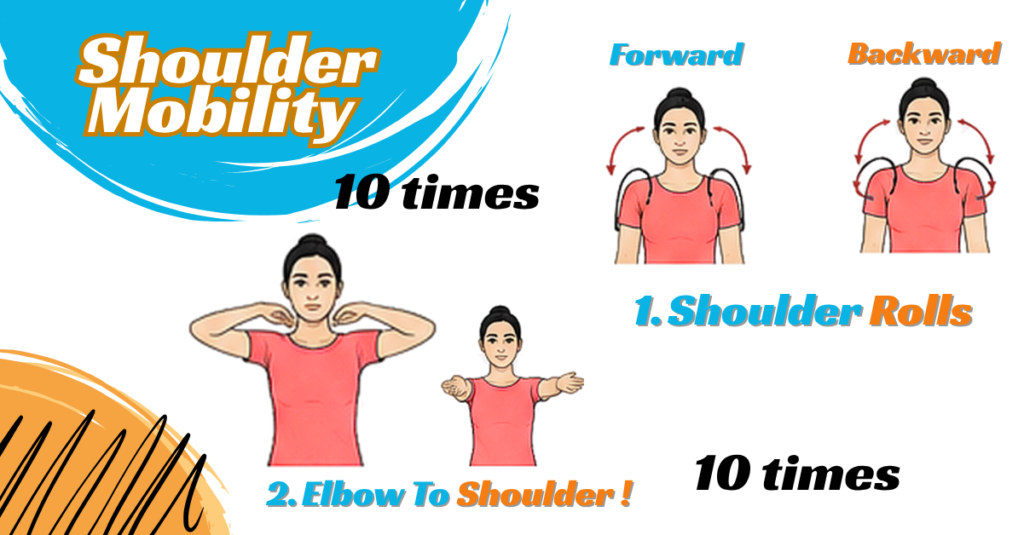
The shoulders move through many different directions during everyday activities and yoga. Simple movements can help you become more aware of shoulder and arm mobility before beginning your practice.
1. Shoulder Rolls
- Sit comfortably with your back upright and your shoulders relaxed.
- Let your hands rest naturally over your thighs or in your lap.
- Slowly lift both shoulders, move them backward, and then lower them.
- Continue the circular movement 10 times.
- Repeat the movement in the opposite direction for another 10 rounds.
2. Elbow Flexion Exercise
- Sit or stand comfortably with your arms resting by your sides.
- Bring both arms out in front of you, choosing a position that feels natural.
- Bend your elbows and bring your fingertips towards your shoulders.
- Slowly straighten your arms again.
- Repeat 10 times, keeping the movement controlled.
After preparing the shoulders and arms, you can explore postures such as Gomukhasana (Cow Face Pose), which requires greater mobility and flexibility in these areas.
E. Finger, Wrist and Hand Joint Exercises
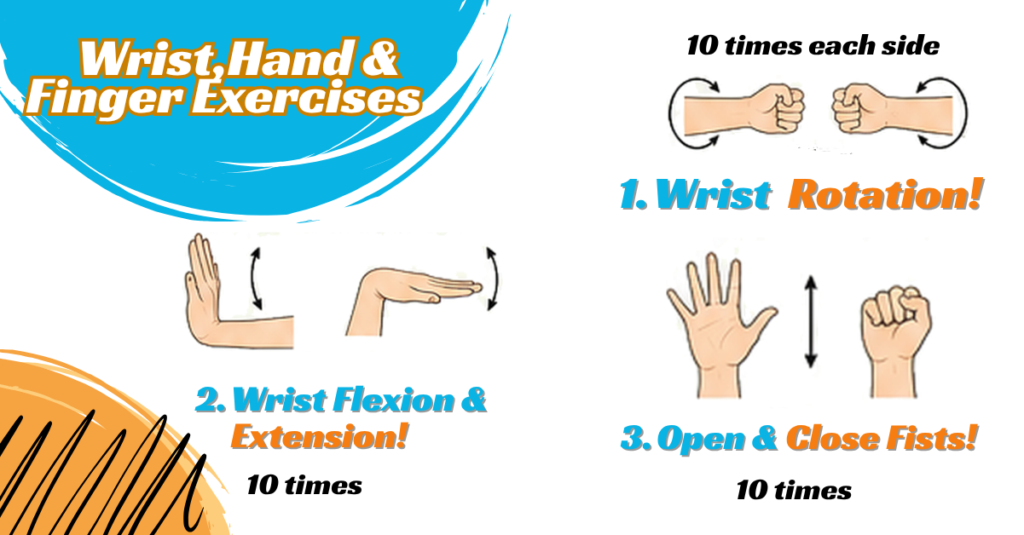
Our hands and wrists are involved in many everyday movements, as well as in several yoga practices. Before moving into yoga postures, spend a little time moving your fingers, wrists, and forearms through their natural range.
1. Finger opening And Closing
- Hold your hands comfortably in front of you with the palms facing upward or forward.
- Slowly curl your fingers into a relaxed fist without squeezing tightly.
- Open your hands and spread the fingers comfortably.
- Repeat 10 times at a steady pace.
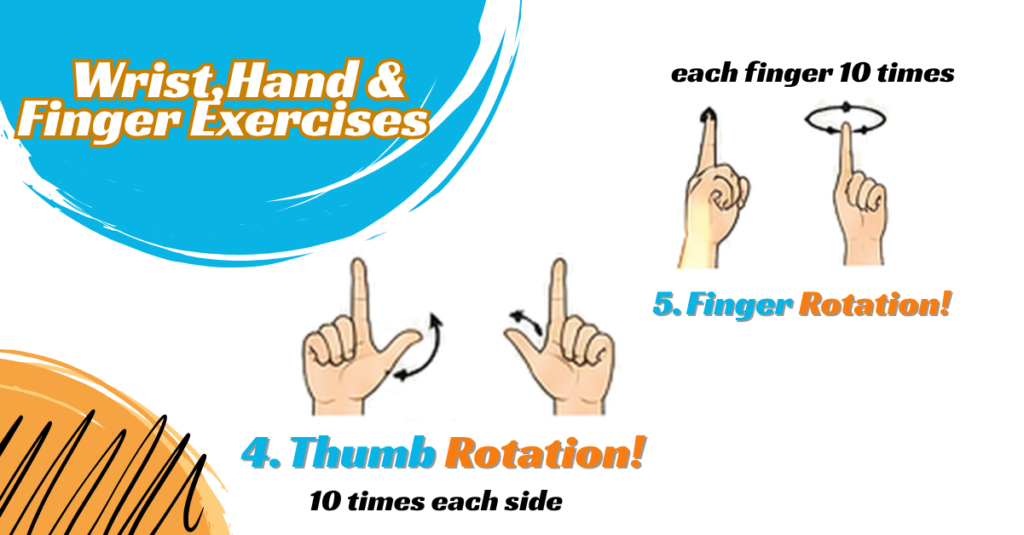
2.Thumb Rotation
- Keep one hand loose, with the fingers naturally curled.
- Let the thumb move in a small circle at a comfortable pace.
- Complete a few circles in one direction, then reverse the movement.
- Repeat the same sequence with the opposite hand.
- Keep the circles small and stop if the thumb feels painful or strained.
3. Individual Finger Rotation
- Rest one hand comfortably with the palm facing upward.
- Using the other hand, hold one finger lightly near its base.
- Move the finger through a small, comfortable circular motion.
- Repeat with the remaining fingers, working from the index finger to the little finger.
- Change hands and repeat the same sequence.
- Keep the movements slow and gentle rather than forcing the finger into a larger circle.
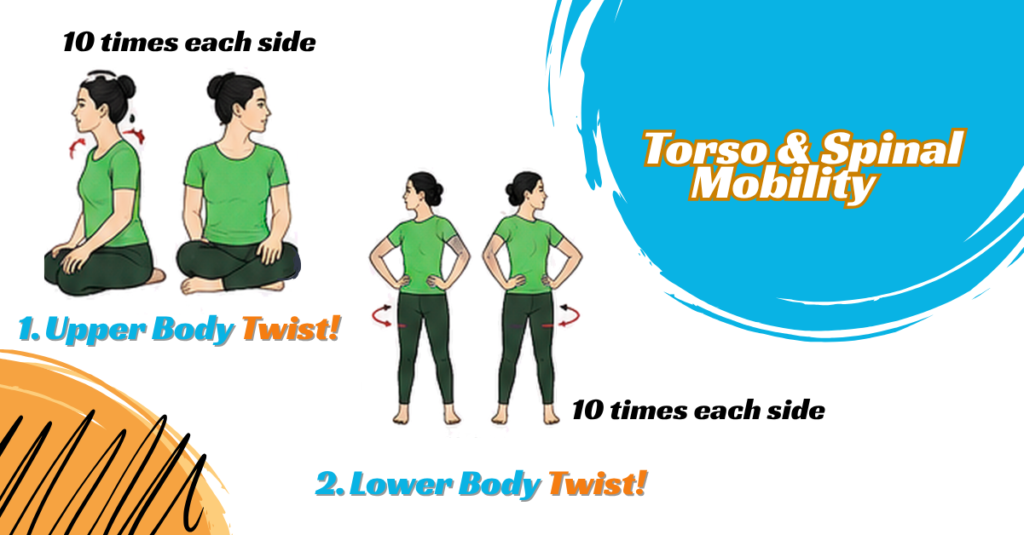
F. Torso and Spinal Mobility Exercises
The trunk and spine take part in many everyday movements, from turning and reaching to bending. These simple movements introduce controlled motion through the middle of the body before you begin your yoga practice.
1. Upper Torso Rotation
- Sit or stand comfortably with your back upright.
- You may either rest your hands at your sides around the waist or bring them in front of the chest.
- Keep your pelvis facing forward and turn your upper body towards the right.
- After returning to your starting position, twist in the opposite direction.
- Continue slowly for 5 rounds on each side.
- Only turn as far as feels easy, without trying to increase the twist by force.
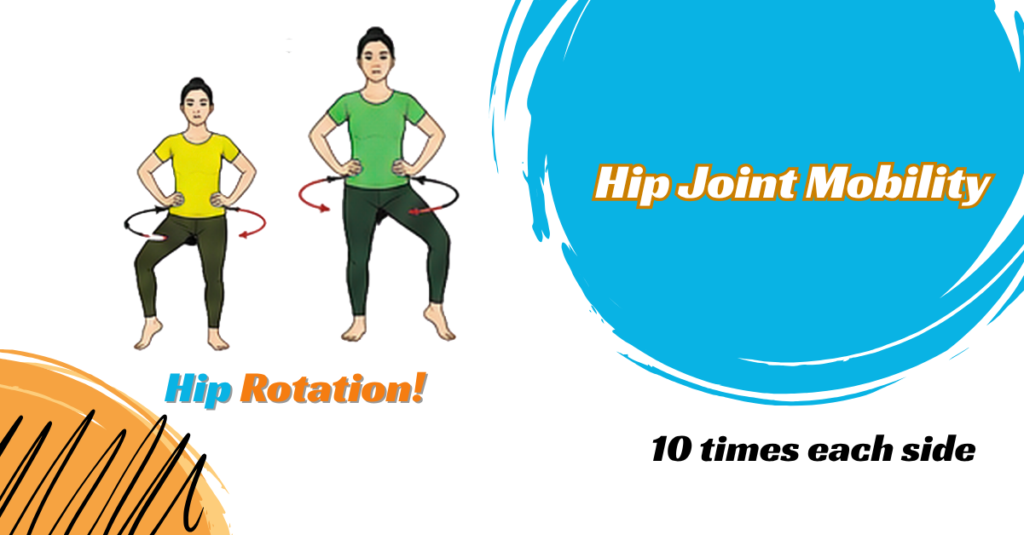
2. Hip Rotation
- Begin in a relaxed standing position, keeping enough space between your feet to feel steady.
- Rest your hands on your waist.
- Let the upper part of your body remain steady while drawing gentle circles with the pelvic area.
- Make a few controlled circles one way before changing to the opposite direction.
- Move steadily and stay within the range that feels easy for your body.
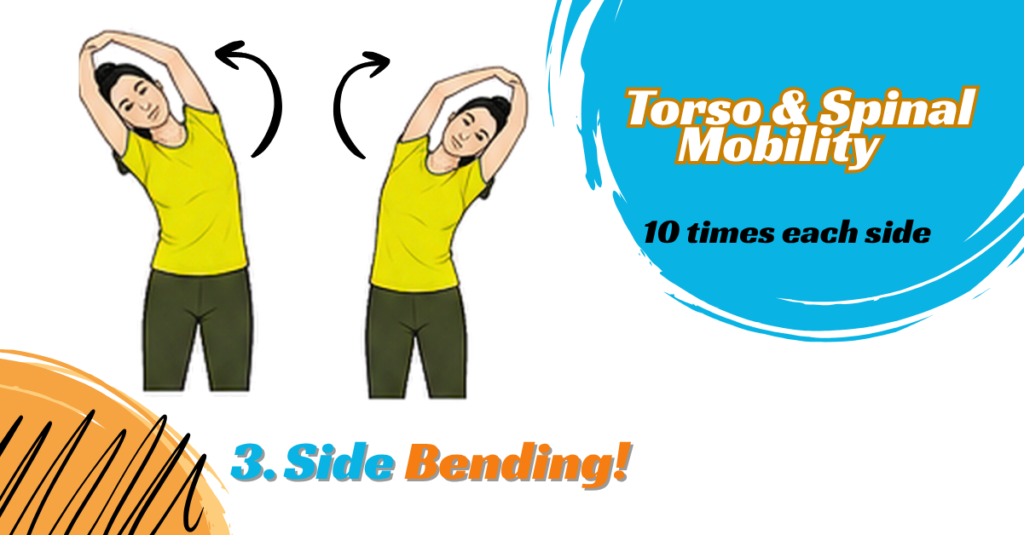
3. Side Bending
- Stand comfortably with your feet placed at a natural distance apart.
- Let your arms rest alongside your body.
- Gently lean your upper body towards the right, allowing the right hand to move down along the outer thigh.
- Return to the upright position and repeat the movement towards the left.
- Alternate between both sides for 5 rounds.
- Keep the pelvis steady and do not try to make the side movement deeper than feels natural.
G. Leg, Ankle and Toe Mobility Exercises
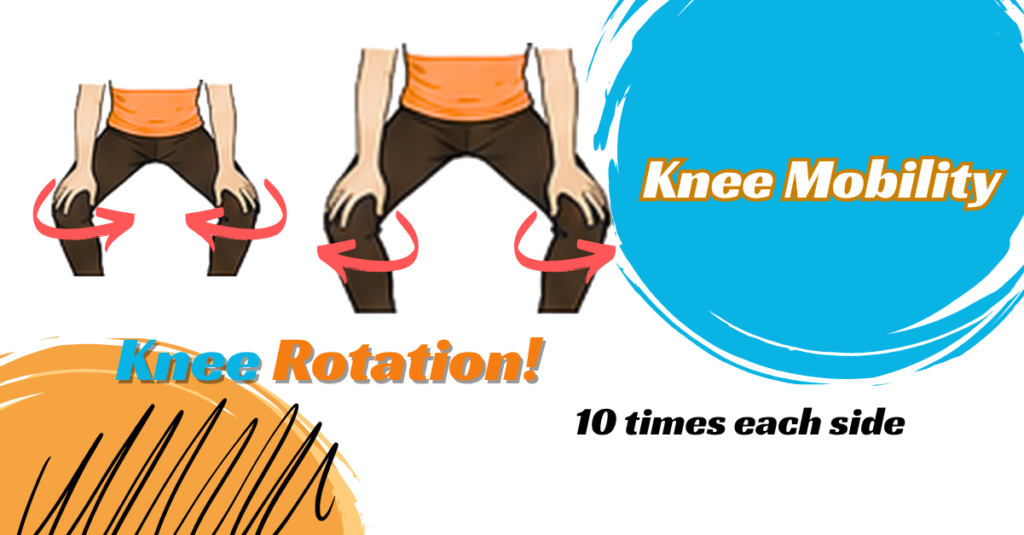
The lower body also needs gentle movement before yoga practice. These exercises bring attention to the legs, knees, ankles, and feet through simple controlled movements.
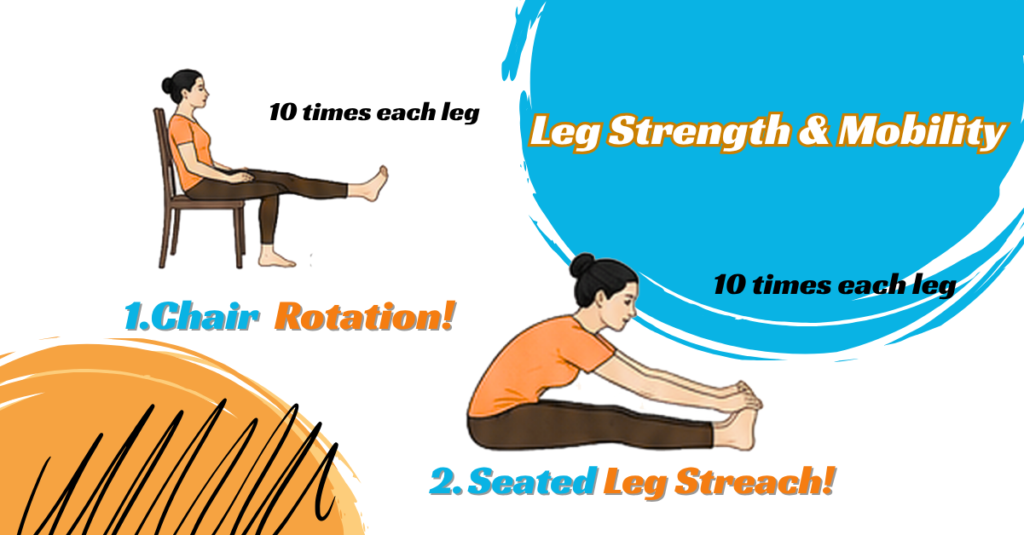
1. Hamstring and Toe Reach
- Sit on the floor with one leg extended and the other leg comfortably bent.
- Allow the straightened leg to remain soft, with the knee free from excessive tension.
- Gently lean forward, bringing your hands towards the leg as far as feels easy.
- Stop at a comfortable point instead of trying to reach the toes.
- Stay there for a few calm breaths, then slowly return upright.
- Switch sides and work through the movement with the other leg.
Note : Do not push beyond a comfortable range; ease out of the movement if you feel pain or strain.
2. Chair Leg Extension
- Begin seated on a stable chair, placing both feet down in front of you.
- Maintain a natural upright posture and hold the chair whenever additional support is helpful.
- Slowly straighten one leg ahead of you, stopping at a position that feels comfortable.
- Bring the foot back down and repeat with the other leg.
- Continue alternating between the two legs for 10 rounds.
- Move smoothly without locking the knees or swinging the legs.
3. Ankle Rotation
- Sit in a comfortable position with one foot slightly lifted from the floor.
- Support the lower leg with your hand if needed.
- Make a small, gentle circle with your foot, moving from the ankle.
- Reverse the direction after several rotations.
- Bring that foot down and work through the same steps on the other side.
- Keep the circles gentle and avoid pushing the ankle beyond its comfortable range.
Why Include Sukshma Vyayam in Your Yoga Routine?
Many yoga practitioners use gentle mobility work as a way to bring movement into the joints and prepare the body before practising asanas. Sukshma Vyayam can be included as a simple preparatory routine, especially when the body feels stiff after periods of inactivity.
Sukshma Vyayam may be used to:
- Gently move commonly stiff joints
- Prepare the body for yoga practice
- Encourage controlled movement
- Bring awareness to posture and body alignment
- Help you transition gradually into asanas.
Once these gentle movements are complete, you can continue with a foundational posture such as Tadasana (Mountain Pose) to practise standing alignment and body awareness.
Precautions for Practising Sukshma Vyayam
- Keep each movement gentle and controlled, paying attention to how your body responds.
- Coordinate breathing with movement.
- Avoid jerky or forceful actions.
- Stop immediately if you experience pain.
- Individuals with existing medical conditions should seek professional guidance before practice.
- Stay within a range that feels comfortable rather than trying to stretch further than your body allows.
Conclusion
Sukshma Vyayam offers a gentle way to introduce movement before beginning yoga practice. By working through different areas of the body in a gradual manner, these exercises can help you become more aware of how your joints and muscles move. Practising them regularly can also make the transition into yoga postures feel more comfortable.
For beginners, Sukshma Vyayam can be a simple starting point before attempting more demanding asanas. The sequence can also be adapted to suit your own pace and level of mobility. The key is to practise consistently, move without forcing the body, and pay attention to your comfort throughout the routine. After preparing the body with Sukshma Vyayam, you may also explore a gentle breathing practice such as Bhramari Pranayama.
About the AuthorYogacharya Dhruv Ji is a Yoga Teacher and practitioner committed to preserving and sharing the authentic wisdom of traditional Yoga and Kriya Yoga. Dhruv Ji received his training in Yoga and Kriya Yoga under the esteemed guidance of Swami Birajananda Giri Maharaj, a revered spiritual teacher known for his deep understanding of yogic philosophy, meditation, and the ancient practices of self-realization. |
Disclaimer
The material presented here is intended to help readers learn about Sukshma Vyayam and its place in a yoga routine. It should not be treated as personalised medical guidance or as a substitute for assessment or treatment from a qualified healthcare professional.
Yoga and Sukshma Vyayam may not be appropriate for every person, particularly those dealing with an injury, health condition, or physical limitation. If you have any concerns about practising these exercises, seek advice from a qualified healthcare professional and an experienced yoga teacher beforehand. If a particular movement makes you feel unwell, uncomfortable, or light-headed, discontinue that movement.
Yoga should be practised according to your individual abilities and limitations. Yoga Vasundhara does not claim that the practices described in this article can prevent, treat, or cure any disease or medical condition.