
Bhujangasana (Cobra Pose): Benefits, Step-by-Step Guide, Precautions & Variations
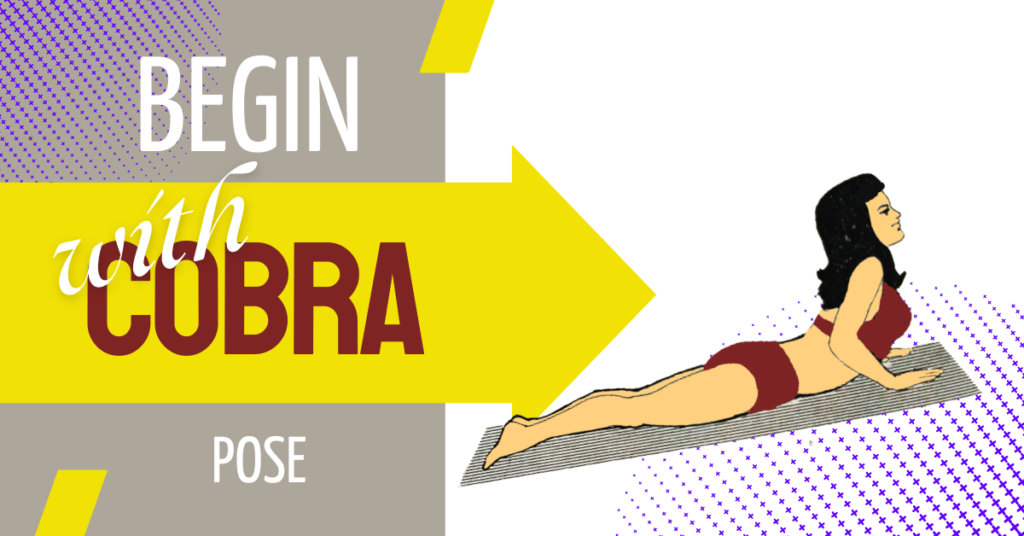
Bhujangasana (Cobra Pose) is one of the most widely practiced yoga postures in the traditional Indian system of yoga. The Sanskrit word Bhujanga means cobra or serpent, and asana means posture. In this pose, the upper body rises gracefully like the hood of a cobra, giving the posture its name.
Although Bhujangasana appears simple, it offers a wide range of physical, mental, and traditional yogic benefits. As you practise Bhujangasana regularly, you may become more familiar with the way your back, chest, and posture feel during the pose. In traditional yoga, it is also associated with stimulating energy flow through the spine and supporting inner awareness.
In this guide, you will learn how to perform this pose correctly, its 7 major benefits, important precautions, useful variations, and its significance in traditional yoga practice.
What Are the Benefits of Bhujangasana (Cobra Pose)?
Bhujangasana brings together physical movement, breathing awareness, body alignment, and focused attention. Its role is best understood as part of a balanced and consistent yoga practice.
1.Stretches, Strengthens, and Lengthens spine
Cobra Pose stretches the muscles connected to the spine, chest, shoulders, back, and hips. It gives strength to the back muscles, arms, shoulders and hips. Regular practice helps lengthen the spine and reduces stiffness caused by sitting for long hours.
2. Flexibility, Range of Motion, Alignment, and Posture
This pose improves spinal flexibility and increases the range of motion in the back. It helps correct poor posture caused by slouching, working at a desk, and using mobile phones. Cobra Pose expands the chest and pulls the shoulders back, which helps maintain a straight and correct posture.
3. Breath, Chest, and Diaphragm
Bhujangasana gently opens the front of the chest and encourages awareness of the breath. The controlled movement of the upper body can make breathing feel more spacious and comfortable when the posture is performed without strain. Slow, natural breathing should be maintained throughout the practice.
4. Awareness, Focus, and Alignment
While performing Cobra Pose, it is important to focus on your breathing, body alignment, and muscles. This increases physical awareness and concentration. Through this, we train the mind to remain focused on the present moment, which improves concentration and mindfulness.
5. Revitalizing, De-stressing, and Relaxing
Bhujangasana can leave the body feeling refreshed when practiced with steady breathing and relaxed attention. Focusing on the movement, breath, and alignment can also make the practice a useful part of a routine designed to cultivate calmness and present-moment awareness.
6. Movement, Abdominal Awareness, and Body Support
The gentle backbend creates movement through the abdomen and front of the body while engaging the muscles around the trunk. This can increase awareness of the abdominal region and make the posture a useful part of a balanced yoga sequence.
7. Supports a Balanced Yoga Practice
Bhujangasana may complement a broader yoga routine by encouraging:
- Awareness of spinal movement
- Attention to posture and alignment
- Awareness of how the back and central body are working
- Mindful breathing
- A sense of relaxation after practice
This pose may be included as part of a broader yoga or movement routine, depending on an individual’s needs and physical ability, but it should not be considered a substitute for medical treatment.
How to Practice Bhujangasana (Cobra Pose) Step by Step
- Lie on stomach with palms on the floor on either side of your chest.
Keep your legs straight, feet together, and toes pointed.
- Inhale and raise up the upper part of the body.
- The lower part, from the navel on down, remains on the floor.
Gently arch the back while keeping the elbows bent and close to the sides of the body.
Use the hands for gentle support rather than forcing the body upward with the arms
- Keep your gaze forward or slightly upward without straining the neck.
- Breathe normally
Stay in the posture only as long as it feels comfortable, then ease yourself back to the starting position with a slow exhalation.
How Long Should You Hold Bhujangasana Pose?
- Beginners: 10–20 seconds
- Intermediate: 20–40 seconds
- Advanced: Up to 1 minute
Repeat the posture according to your comfort level and practice experience, allowing a brief rest between repetitions.
These are general practice ranges rather than fixed requirements. Choose a duration that allows you to breathe comfortably and maintain steady alignment.
Precautions Before Practicing Bhujangasana (Cobra Pose)
- Enter the pose gradually and return from it with controlled movements.
- Avoid forcing the spine into a deeper backbend.
- Keep your shoulders soft and avoid drawing them upward toward the neck.
- Do not lock the elbows or push the body beyond a comfortable range.
- Practice on a relatively empty stomach rather than immediately after a meal.
Common Mistakes in Bhujangasana
Bhujangasana may become uncomfortable when a few common technique mistakes are made.
- Lifting the chest too high:
The aim is controlled extension of the spine, not reaching the highest possible position. Lift only as far as feels comfortable and controlled. - Relying heavily on the hands:
Avoid using the arms to force the chest upward. Keep the movement gentle and allow the pose to develop without excessive pressure through the hands. - Locking the elbows:
If straightening the arms feels uncomfortable, keep a slight bend in the elbows rather than forcing them completely straight. - Shrugging the shoulders:
Keep the shoulders relaxed and away from the ears while maintaining a comfortable opening across the chest. - Overextending the neck:
Avoid throwing the head backward. Lengthen the neck and keep the gaze relaxed and comfortable. - Moving too quickly:
Enter and release the pose slowly and smoothly instead of using momentum or sudden movements.
If the posture causes discomfort that does not feel normal for you, gently release it and take a moment to check your position before trying again.
Contraindications
Bhujangasana may not be appropriate for everyone. People with significant spinal problems, a recent back injury, recent spinal surgery, or conditions that make back extension uncomfortable should seek professional guidance before practicing. Stop the practice if you experience pain, light-headedness, breathing difficulty, or anything that feels abnormal for you. If the problem continues, consult a suitable health professional.
Injury and Surgery
If you have recently undergone spinal surgery, have a significant back injury, or have a medical condition such as a hernia that may be affected by abdominal pressure or spinal extension, consult a qualified healthcare professional before practicing this pose.
Poor Breath Control
Your breath should remain natural while holding the posture. If breathing becomes strained or uncomfortable, ease out of the position and seek guidance from a qualified yoga instructor before trying it again.
Physical Weakness
If your arms, shoulders, or back are not accustomed to weight-bearing or backbending movements, begin gently and gradually develop strength and familiarity with the posture.
Bhujangasana Variations
Baby Cobra (Low Cobra)
This gentler variation keeps the chest lift relatively low, allowing you to focus on the basic movement without going into a deeper backbend. Keep your elbows comfortably bent and lift the upper chest only as far as you can maintain a steady, controlled movement.
If you are new to Bhujangasana, Baby Cobra can be a simple way to become familiar with the posture before trying a higher chest lift.
Purna Bhujangasana (Full Cobra Pose)
A deeper backbend with straight arms and a more open and lifted chest.
Tiryaka Bhujangasana (Twisting Cobra Pose)
After practicing the standard Cobra Pose, Tiryaka Bhujangasana adds a gentle twisting movement to the posture. It can be used to explore spinal movement, coordination, and flexibility within a comfortable range.
Shashank Bhujangasana (Rabbit–Cobra Combo)
A yoga flow with dynamic movements that combines forward bend or Rabbit Pose (Shashankasana) and backbend or Cobra Pose (Bhujangasana) to stretch the spine, improve physical flexibility, strengthen the shoulders, and calm the mind.
Other Ways Bhujangasana May Complement Your Practice
- Encourages greater body awareness
- Can be a refreshing addition to a regular yoga routine
- Supports awareness of posture and movement
- May contribute to a relaxed feeling after practice
- Can complement a broader routine focused on physical and mental well-being
Preparatory Poses for Bhujangasana
Before you start Cobra Pose, the following poses can help in preparing the body:
- Makarasana (Crocodile Pose)
- Bharmanasana (Table Pose)
- Shalabhasana (Locust Pose)
- Setu Bandhasana (Bridge Pose)
Muscles Involved in Bhujangasana
The specific muscles in the body that we use while performing Bhujangasana are:
- Spine extensors
- Lower back muscles
- Glute muscles
- Abdominal muscles
- Chest and shoulder muscles
Frequently Asked Questions About Bhujangasana
1. Bhujangasana vs. Upward Dog: What’s the Difference?
Cobra Pose | Upward Dog |
Elbows slightly bent | Arms straight |
Pelvis touches floor | Body lifted off floor |
Less pressure on wrists | More wrist pressure |
Beginner-friendly | Advanced pose |
2. Can Bhujangasana Reduce Your Belly Fat?
Although the posture involves the abdominal area, practicing Bhujangasana alone cannot target or remove fat specifically from the belly. Reducing overall body fat generally depends on factors such as diet, physical activity, sleep, and individual metabolism rather than one particular yoga posture.
Additional Traditional Benefits of Bhujangasana
Supports Healthy Digestion
The gentle stretching of the abdomen may support comfortable digestion and abdominal awareness. In traditional yoga, this area is also associated with Jatharagni, or digestive fire. Bhujangasana should be practiced comfortably and should not be performed immediately after a meal.
Supports Respiratory Health
The pose gently stretches the front of the torso and encourages steady, relaxed breathing. This can make the chest feel more open while you remain within a comfortable range of movement. People living with asthma, bronchitis, or another respiratory condition should practice only with appropriate professional guidance.
Supports a Sense of Vitality and Well-being
Bhujangasana involves coordinated movement of the spine, chest, and surrounding muscles. Combined with mindful breathing, regular yoga practice may contribute to an overall sense of vitality and well-being.
Mindful Breathing and Relaxation
Bhujangasana encourages mindful attention to breathing, posture, and bodily sensations. As part of a regular yoga practice, it may contribute to relaxation, mental clarity, and emotional well-being.
Spinal Mobility and Postural Awareness
Bhujangasana engages the muscles that support the spine and may help improve spinal mobility and postural awareness when practiced with proper alignment.
Traditional Awareness of the Abdominal and Pelvic Regions
In traditional yoga practice, Bhujangasana is sometimes associated with awareness of the abdominal and pelvic regions. However, it should not be presented as a treatment for kidney, bladder, or other urinary conditions.
Bhujangasana and Women’s Yoga Practice
Bhujangasana can form part of a general yoga practice for women when the posture is comfortable and appropriate for the individual. If someone has a gynecological condition or is under medical care, it is sensible to seek professional guidance before adding or changing a yoga practice.
Bhujangasana in Traditional Kundalini Yoga
In some traditional yogic lineages, the rising movement of Bhujangasana is symbolically associated with Kundalini, the spiritual energy traditionally described as resting near the base of the spine. The Muladhara Chakra is often connected with this symbolism. These ideas belong to the spiritual and philosophical traditions of yoga and should be understood within that traditional context rather than as a scientifically established physiological process.
Bhujangasana and Chakra Awareness in Traditional Yoga
In traditional yoga, Bhujangasana is sometimes practiced with awareness of the body’s chakra system. The posture may be used as an opportunity to bring attention to areas associated with Muladhara, Swadhisthana, Manipura, and Anahata. These chakra associations come from traditional yogic philosophy and are best understood as part of a spiritual practice rather than as established medical or physiological effects.
How Bhujangasana Supports Overall Well-being
Bhujangasana can become a valuable part of a balanced yoga routine when practiced with awareness and without forcing the body. The combination of gentle spinal movement, muscular engagement, steady breathing, and focused attention can contribute to a greater sense of physical ease and mental calm. Its benefits are best understood as part of a consistent yoga practice rather than as the result of one posture alone.
Bhujangasana and Spiritual Practice
For many practitioners, yoga is more than a physical exercise; it can also be a way of cultivating awareness, discipline, and inner stillness. Bhujangasana may be incorporated into a broader spiritual practice with mindful breathing, concentration, and self-observation. Any deeper spiritual experience associated with the practice is personal and may differ from one practitioner to another.
Is Bhujangasana Good for Lower Back Pain?
Bhujangasana may be suitable for some people experiencing mild, non-specific lower back discomfort, particularly when the posture is practiced gently and with proper alignment. The pose engages the muscles along the back and encourages controlled spinal extension, which may support mobility and postural awareness. However, Cobra pose should not be considered a guaranteed treatment or cure for back pain. If you have severe or persistent pain, a diagnosed spinal condition, a recent injury, or a history of spinal surgery, consult a qualified healthcare professional before practicing the pose.
Research indicates that yoga may offer some benefit for people with low-back pain, although the effects are generally modest and may vary between individuals.
Conclusion
Bhujangasana (Cobra Pose) is a foundational yoga posture that combines gentle spinal extension, muscular engagement, mindful breathing, and focused awareness. When practiced with appropriate alignment and within a comfortable range, it can be a meaningful part of a balanced yoga routine. Beyond its physical aspects, Bhujangasana is also practiced in some yoga traditions as a way to cultivate inward attention and a more reflective state of mind.
As with any physical practice, the benefits can vary from person to person. Practicing gradually, respecting the body’s limits, and seeking appropriate guidance when necessary can help make Bhujangasana a safe and sustainable part of your yoga journey.
About the AuthorYogacharya Dhruv Ji is a Yoga Teacher and practitioner committed to preserving and sharing the authentic wisdom of traditional Yoga and Kriya Yoga. Dhruv Ji received his training in Yoga and Kriya Yoga under the esteemed guidance of Swami Birajananda Giri Maharaj, a revered spiritual teacher known for his deep understanding of yogic philosophy, meditation, and the ancient practices of self-realization. |
Disclaimer
This article is intended to share general information about Bhujangasana and should not be used as a substitute for personalized medical advice, diagnosis, or treatment. Yoga practices may not be suitable for everyone, and individual needs can vary. Anyone dealing with an injury, ongoing pain, a medical condition, or uncertainty about whether this posture is suitable should seek individual advice from a healthcare professional or an experienced yoga teacher before practicing it.
Practice within your own comfortable limits and stop if you experience pain, dizziness, breathing difficulty, or unusual discomfort.