
A detailed Easy guide to Hasta Mudra under 5 headings: Meaning, Science, and Energy Flow

One important but often overlooked part of yoga is Mudra, especially Hasta Mudra, which are hand gestures used during meditation, pranayama, and yoga practices. Yoga is not only about physical postures or breathing exercises. It is a complete system that connects the body, mind, and energy. These simple hand positions have a deep effect on our physical health, mental balance, and energy flow.
In this article, we will explore how mudras work, how to practice them, how energy flows through the fingertips, the science behind hasta mudra, the connection between fingers and the five elements, and how different finger positions create different mudras.
How Does a Mudra Work?
The word Mudra comes from Sanskrit and means “gesture,” “seal,” or “symbol.” In yoga, a mudra is a specific position of the hands, fingers, body, or eyes that helps guide energy in the body.
Mudras work by redirecting the flow of prana, which is the vital life energy present in every living being. Our body has thousands of energy channels called nadis. When we form a mudra, we create a circuit that allows prana to flow in a balanced and controlled way.
The hands and fingers are especially powerful because they contain many nerve endings. When certain fingers touch or press each other, they send signals to the brain. This influences the nervous system, hormone balance, emotions, and even internal organs.
In simple words, a mudra works like a switch. Just as switching on a button allows electricity to flow, forming a mudra allows energy to move in a particular direction, bringing harmony to the body and mind.
How Can We Make a Mudra in Yoga?
Making a mudra in yoga is very easy, but it requires awareness and patience. Anyone can practice mudras regardless of age or fitness level.
Here are some basic guidelines to practice mudras:
- Sit comfortably
You can sit in Sukhasana (easy pose), Padmasana (lotus pose), or even on a chair. Keep your spine straight. - Relax your body and mind
Take a few deep breaths to calm yourself before forming the mudra. - Place your hands correctly
Follow the instructions of the specific mudra. Usually, the hands rest on the knees or thighs, palms facing up or down. - Maintain gentle pressure
Fingers should touch lightly, not forcefully. Comfort is very important. - Breathe naturally or practice pranayama
Mudras are more powerful when combined with slow and deep breathing. - Hold the mudra for 15–30 minutes
Beginners can start with 5–10 minutes and slowly increase the duration.
Mudras can be practiced during meditation, pranayama, or even while walking or sitting quietly. Consistency is more important than duration.
How Does Prana Flow Through the Fingertips in Yoga?
In yoga philosophy, prana is the life force that keeps us alive and healthy. It flows through subtle energy channels called nadis. The fingertips are considered important exit and entry points of prana.
Each finger contains energy pathways connected to different organs and systems of the body. When the fingertips touch each other in a mudra, a closed energy circuit is formed. This prevents the energy from dispersing and helps it circulate within the body.
For example:
- Touching the thumb to another finger balances the element represented by that finger.
- Keeping palms open allows energy to flow freely.
- Pressing fingers gently stimulates nerve endings, which activates the brain.
This is why yogis say that the hands are like energy maps of the body. By using the fingers wisely, we can control how prana flows, which helps improve focus, emotional balance, and physical health.
Science Behind Hasta Mudra (Hand Gestures in Yoga)
Modern science is slowly beginning to understand the benefits of mudras. Although mudras come from ancient wisdom, they have a strong scientific base.
Connection with the Nervous System
The fingers are directly connected to the brain through sensory nerves. When we practice a mudra, these nerves send signals to the brain, influencing brain activity and mental state.
Reflexology and Acupressure
Hasta mudras work similarly to reflexology. Different points on the fingers correspond to different organs. Stimulating these points can improve organ function.
Brain Balance
Studies show that hand gestures can influence the left and right hemispheres of the brain. This helps improve concentration, memory, and emotional stability.
Stress Reduction
Mudras activate the parasympathetic nervous system, which helps reduce stress, anxiety, and tension. This leads to relaxation and better sleep.
Hormonal Balance
Certain mudras can influence glands like the thyroid, pituitary, and adrenal glands, helping regulate hormones.
Thus, hasta mudras are not just symbolic gestures. They have real physical and psychological effects supported by scientific understanding.
How Are Our Fingers Representatives of the Panch Tatwa (Five Elements)?
According to yoga and Ayurveda, everything in the universe is made of five elements, called Panch Tatwa:
- Earth (Prithvi)
- Water (Jal)
- Fire (Agni)
- Air (Vayu)
- Space (Akasha)
Each finger represents one of these elements:
- Thumb – Fire (Agni)
The thumb represents fire energy, which controls digestion, metabolism, and transformation. - Index Finger – Air (Vayu)
The index finger represents air, related to movement, breathing, and nervous system activity. - Middle Finger – Space (Akasha)
The middle finger represents space, associated with openness, communication, and expansion. - Ring Finger – Earth (Prithvi)
The ring finger represents earth, connected to stability, strength, and structure. - Little Finger – Water (Jal)
The little finger represents water, responsible for fluid balance and emotions.
When these fingers touch the thumb or each other, the balance of these elements changes within the body. Mudras help correct excess or deficiency of elements.
How Different Portions of Fingers Create Different Hasta Mudra
Not only which fingers touch, but how and where they touch also matters in forming mudras. Different portions of the fingers activate different energy levels.
Fingertips Touching
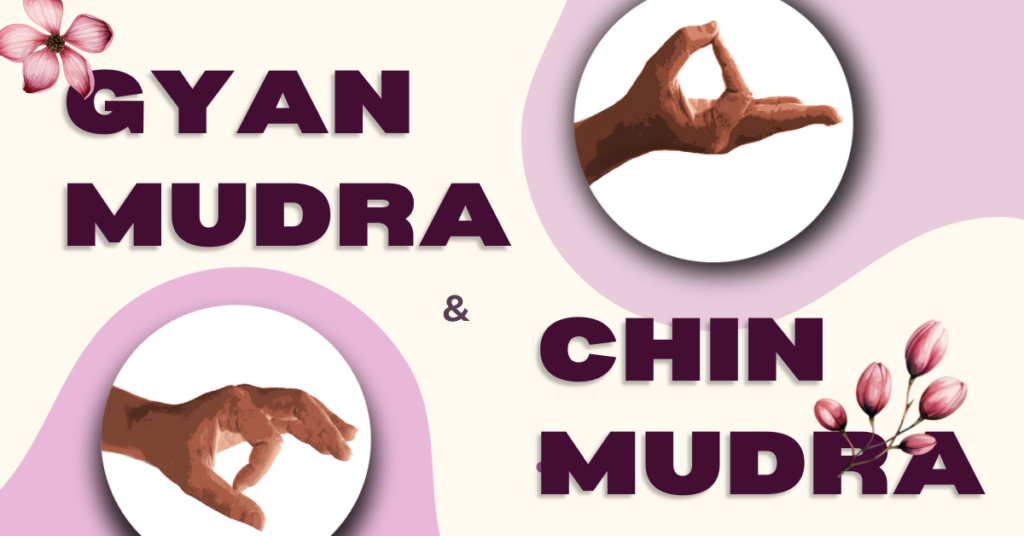
When fingertips touch lightly, it creates a gentle energy flow. This is commonly used in meditation mudras like Gyan Mudra for concentration and wisdom.
Finger Bases Touching
Touching the base of the finger creates a deeper energetic effect. This is used in therapeutic mudras for healing purposes.
Finger Pressing
Applying slight pressure increases stimulation. This is useful for energizing the body or correcting imbalances.
Fingers Folded or Extended
Folding or extending fingers changes the energy direction. For example:
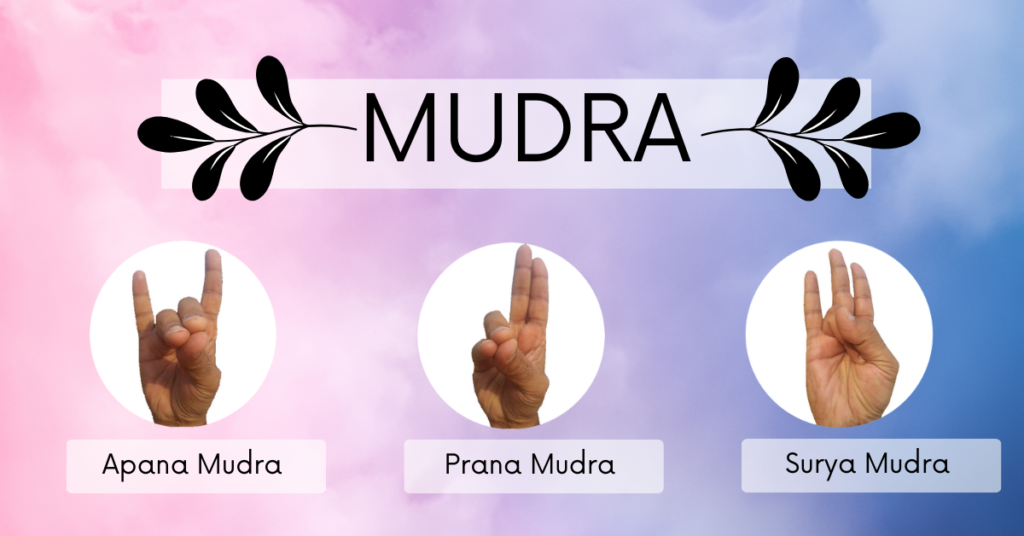
- Folding the index finger in Prana Mudra conserves energy.
- Extending certain fingers enhances specific elements.
Palms Facing Up or Down
Palms facing up receive energy, while palms facing down release excess energy.
Each variation creates a unique energy pattern, which is why different hasta mudras have different effects on health and consciousness.
Conclusion
Hasta mudras are simple yet powerful tools of yoga that anyone can practice. They work by balancing the flow of prana, stimulating the nervous system, and harmonizing the five elements within the body. Our fingers act as keys that unlock different energy pathways, and even small changes in finger position can bring noticeable results.
By understanding how mudras work, how prana flows through the fingertips, and how fingers represent the Panch Tatwa, we can practice yoga more mindfully and effectively. With regular practice, hasta mudras can improve physical health, mental clarity, emotional balance, and spiritual growth.
In today’s fast-paced world, these ancient hand gestures offer a simple and natural way to reconnect with ourselves and restore inner balance.
Disclaimer
This article only inspires you to start yoga asana poses and it also provides information about it, we do not in any way direct you towards a specific method of yoga practice. We always recommend that people should understand their diseases and disadvantages and take advice of experts. Because you may face many inconveniences due to your physical condition, disease, etc., it is advised that you must take the advice of a doctor and yoga expert before starting. We will not be responsible under any circumstances.