
Paramahansa Yogananda: Life, Kriya Yoga, Teachings & Legacy
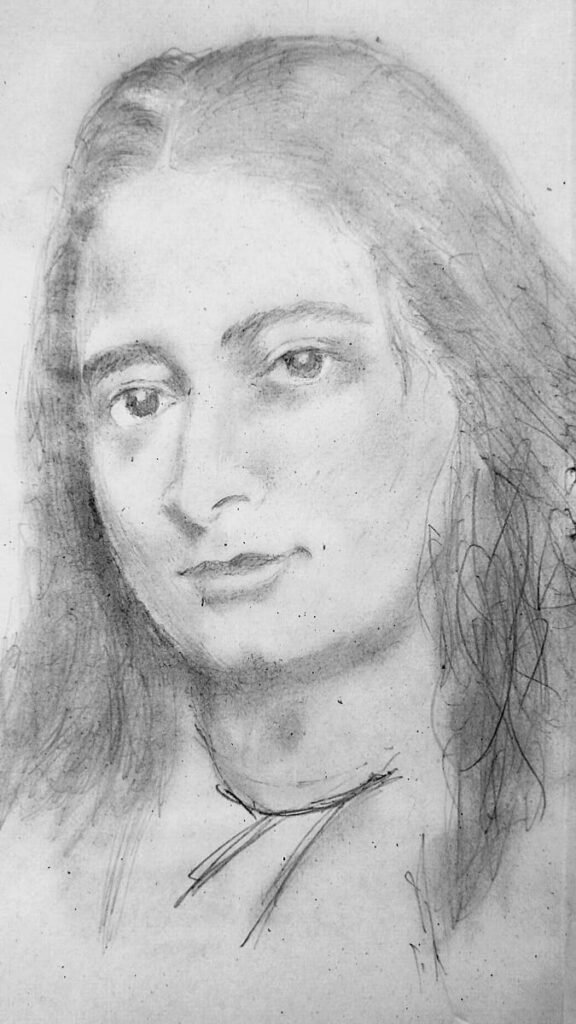
Paramahansa Yogananda (1893–1952), born Mukunda Lal Ghosh, was an Indian yogi and spiritual teacher best known for bringing the teachings of Kriya Yoga, meditation, and self-realization to a wide Western audience. Through his books, lectures, and spiritual organizations, he became one of the most influential Indian yoga teachers of the 20th century.
Yogananda was a disciple of Sri Yukteswar Giri, who belonged to the Kriya Yoga lineage associated with Lahiri Mahasaya and Mahavatar Babaji. This lineage became central to Yogananda’s spiritual life and later to his mission in the West. His teachings emphasized meditation, direct spiritual experience, self-discipline, devotion, and the underlying unity of religious paths.
In 1920, Yogananda traveled from India to the United States, where he began teaching yoga and meditation and established the Self-Realization Fellowship (SRF). Earlier, in 1917, he had established the Yogoda Satsanga Society of India (YSS) in India. His 1946 book Autobiography of a Yogi further introduced his life, guru lineage, and spiritual teachings to readers around the world.
Who Was Paramahansa Yogananda?
Paramahansa Yogananda (1893–1952), born Mukunda Lal Ghosh, was an Indian yogi and spiritual teacher who became one of the most influential figures in bringing yoga, meditation, and Kriya Yoga to a wider Western audience. His teachings focused on self-realization, meditation, devotion, and direct spiritual experience.
Yogananda became a disciple of Sri Yukteswar Giri in 1910 and was trained within a Kriya Yoga lineage traditionally traced through Mahavatar Babaji and Lahiri Mahasaya. His guru later prepared him for a wider spiritual mission beyond India.
In 1920, Yogananda traveled to the United States and began teaching yoga, meditation, and spiritual philosophy. He later established the Self-Realization Fellowship (SRF) in the United States and the Yogoda Satsanga Society of India (YSS) in India. Through these organizations, his teachings continued to reach spiritual seekers around the world.
Yogananda is also widely known for his book Autobiography of a Yogi, first published in 1946. The book describes his spiritual journey, his relationship with Sri Yukteswar, encounters with other spiritual figures, and the Kriya Yoga tradition. It became an important introduction to Indian yoga and spirituality for many readers outside India.
Early Life and Spiritual Quest
Paramahansa Yogananda was born Mukunda Lal Ghosh on January 5, 1893, in Gorakhpur, India, into a Bengali family with a strong spiritual and religious background. From an early age, he showed an unusual interest in meditation, saints, and the deeper purpose of human life.
As a young man, Mukunda’s central aspiration was to find a genuine spiritual master who could guide him toward direct realization of God. He sought the company of saints and spiritual teachers and had several experiences that strengthened his conviction that higher states of consciousness were possible.
Among the spiritual figures he encountered during this period was Swami Pranabananda, remembered as the “Saint with Two Bodies.” Such encounters deepened Mukunda’s determination to find his own guru. His search eventually led him to Sri Yukteswar Giri in 1910, a meeting that became the decisive turning point in his spiritual life.
Yogananda’s Journey to the West
In 1920, Paramahansa Yogananda traveled from India to the United States after being invited to speak at the International Congress of Religious Liberals in Boston. His journey marked the beginning of the Western phase of his spiritual mission.
Yogananda began giving lectures and classes on yoga, meditation, and spiritual living to American audiences. At a time when many Westerners had little familiarity with India’s traditional yoga systems, he presented yoga as a practical path of meditation and direct spiritual experience.
His work gradually expanded beyond Boston. Yogananda traveled widely across the United States, attracting students through public lectures, meditation classes, and personal guidance. His teachings combined traditional Indian spiritual ideas with an approach intended to be accessible to Western audiences.
A central part of his mission was the teaching of Kriya Yoga, which he received through his guru Sri Yukteswar within the lineage associated with Mahavatar Babaji and Lahiri Mahasaya. Yogananda regarded Kriya Yoga as an important practice for progressing toward self-realization.
To provide a lasting organization for his work, Yogananda established the Self-Realization Fellowship (SRF) in the United States. His mission eventually extended through centers, meditation groups, publications, and disciples, helping establish a continuing tradition of yoga and meditation in the West.
Kriya Yoga According to Yogananda
Kriya Yoga was one of the central practices in Paramahansa Yogananda’s teachings. He presented it as a systematic meditation practice within his guru lineage and as a means of supporting spiritual growth and self-realization.
According to Yogananda’s teachings, Kriya Yoga works primarily through disciplined meditation and conscious control of the life force. Rather than treating yoga only as a physical practice, he presented Kriya Yoga as part of a deeper inward path involving concentration, meditation, devotion, and spiritual awareness.
Yogananda received Kriya Yoga through his guru Sri Yukteswar Giri, within the lineage traditionally associated with Mahavatar Babaji and Lahiri Mahasaya.
After coming to the United States, he made the practice an important part of his spiritual teaching and mission.
For Yogananda, the purpose of Kriya Yoga was not simply to produce temporary relaxation or mental calm. Its broader aim was spiritual transformation and the realization of one’s deeper nature through regular meditation and disciplined practice.
Because Kriya Yoga is traditionally transmitted through an authorized teacher-disciple relationship, Yogananda’s teachings placed importance on receiving the practice through the proper spiritual channel rather than treating it simply as a technique to be learned from a book.
Kriya Yoga therefore occupies a distinctive position in Yogananda’s legacy. It connects his personal spiritual training with the wider Kriya Yoga lineage and became one of the principal practices through which he presented his path of self-realization to seekers in the modern world.
Autobiography of a Yogi
In 1946, Paramahansa Yogananda published Autobiography of a Yogi, the book that became his best-known written work and introduced his life, spiritual experiences, guru lineage, and teachings to a broad international audience. It remains one of the most widely read books associated with modern yoga and Indian spirituality.
The book describes Yogananda’s childhood, his search for a spiritual master, his meeting with Sri Yukteswar Giri, and his experiences within the Kriya Yoga tradition. It also introduces readers to several Indian saints and yogis and describes Yogananda’s journey from India to the United States.
One of the book’s lasting contributions was helping Western readers encounter Indian yoga not simply as a physical discipline, but as a broader spiritual path involving meditation, self-realization, and direct experience of the divine.
Yogananda’s account of his guru lineage also helped introduce many readers to the tradition connecting Mahavatar Babaji, Lahiri Mahasaya, Sri Yukteswar Giri, and Yogananda. In this lineage, Lahiri Mahasaya occupies an important place in the modern transmission of Kriya Yoga.
Autobiography of a Yogi therefore became an important part of Yogananda’s legacy. Beyond describing his own spiritual journey, the book helped carry his teachings and the Kriya Yoga tradition to readers far beyond the communities he reached through his lectures and organizations.
Teachings and Philosophy
Paramahansa Yogananda’s teachings brought together meditation, yoga philosophy, devotion, self-discipline, and the pursuit of direct spiritual experience. Rather than presenting spirituality as merely an intellectual belief, he emphasized regular practice and the individual’s ability to seek deeper awareness through meditation.
Self-Realization
A central idea in Yogananda’s teachings was self-realization—the direct realization of one’s deeper spiritual nature. He taught that human beings should not remain satisfied with intellectual ideas about God or spirituality, but should seek personal spiritual experience through meditation, devotion, and disciplined living.
Unity of Religions
Yogananda emphasized the underlying unity of the world’s major religious traditions. He taught that different religions can provide different approaches to the same ultimate spiritual truth. This universal approach became an important part of his message to both Indian and Western audiences.
Balanced Spiritual Living
Yogananda did not present spiritual practice as separate from ordinary life. His teachings encouraged people to develop discipline in body, mind, work, relationships, and meditation while pursuing spiritual growth. This emphasis made his teachings accessible to householders as well as dedicated spiritual seekers.
Devotion, Discipline and Service
Alongside meditation, Yogananda emphasized devotion to God, self-discipline, positive thought, and service to others. For him, spiritual development involved transforming one’s everyday attitudes and actions rather than limiting spiritual practice to periods of formal meditation.
Self-Realization Fellowship and Yogoda Satsanga Society
One of Paramahansa Yogananda’s most important contributions was establishing organizations to preserve and continue his teachings. His work developed into two closely connected institutions: Self-Realization Fellowship (SRF) in the United States and Yogoda Satsanga Society of India (YSS) in India.
Self-Realization Fellowship
Yogananda established the Self-Realization Fellowship (SRF) in the United States in 1920. The organization became the main institutional foundation for his Western mission, helping preserve his teachings on meditation, Kriya Yoga, yoga philosophy, and spiritual living.
Through SRF, Yogananda’s teachings continued through meditation groups, centers, publications, lessons, and spiritual communities. The organization also helped carry forward his approach to presenting India’s yoga tradition to Western audiences.
Yogoda Satsanga Society of India
Yogananda’s work in India continued through the Yogoda Satsanga Society of India (YSS). The organization preserves and disseminates his teachings in India and provides opportunities for people to study meditation, yoga philosophy, and spiritual living.
Together, SRF and YSS have played an important role in preserving Yogananda’s teachings and making his spiritual path accessible to successive generations of practitioners.
Yogananda’s Return to India
After spending many years teaching in the United States, Paramahansa Yogananda returned to India in 1935. His return gave him an opportunity to reconnect with his homeland, meet spiritual teachers and devotees, and strengthen the work of the Yogoda Satsanga Society of India.
During his return to India, Yogananda reunited with his guru, Sri Yukteswar Giri, and spent time with him before Sri Yukteswar’s passing on March 9, 1936.
His return also allowed him to visit places associated with his spiritual journey and the broader Kriya Yoga tradition.
Yogananda continued teaching meditation, yoga, and spiritual principles during his time in India. He also met a number of Indian saints and spiritual figures, experiences that later became part of the material associated with his life and writings.
In 1936, Yogananda returned to the United States. His Indian journey became an important bridge between the two phases of his life: his spiritual training and roots in India and his continuing mission to share yoga and meditation with Western audiences.
Later Years and Mahasamadhi
During the later years of his life, Paramahansa Yogananda devoted himself increasingly to writing, spiritual guidance, and establishing a lasting foundation for the work he had begun. Alongside his continued guidance of disciples, he worked on major spiritual writings, including his interpretations of the Bhagavad Gita and the teachings of Jesus Christ, while also preparing his organizations and disciples to carry his mission forward.
Yogananda’s later years were marked by a deepening emphasis on inner spiritual life, meditation, devotion, and the realization of God. Although he gradually reduced his extensive public lecturing, he continued to guide his disciples and develop the teachings and institutions through which his spiritual work would continue after his lifetime.
On March 7, 1952, Paramahansa Yogananda attended a banquet at the Biltmore Hotel in Los Angeles honoring Dr. Binay R. Sen, India’s ambassador to the United States. After delivering a short speech, Yogananda entered mahasamadhi, a term used in the yogic tradition for the conscious final departure of an advanced yogi from the physical body.
His passing was followed by an extraordinary circumstance that has been preserved in the historical accounts of Self-Realization Fellowship. According to a notarized statement by the director of Forest Lawn Memorial-Park, no visible physical disintegration was observed in Yogananda’s body even twenty days after his passing. The statement described his body as remaining in an exceptional state of preservation.
Within the spiritual tradition of Self-Realization Fellowship (SRF) and Yogoda Satsanga Society of India (YSS), this remarkable preservation is regarded as one of the extraordinary circumstances surrounding the mahasamadhi of Paramahansa Yogananda. For his disciples and devotees, it remains a deeply revered part of the account of his final departure.
Yogananda’s physical passing did not mark the end of his spiritual mission. Through his teachings, writings, disciples, and the organizations he established, his message of Kriya Yoga, meditation, self-realization, devotion, and the unity of religions continued to reach spiritual seekers throughout the world.
Legacy and Influence
Paramahansa Yogananda’s legacy continues through his books, teachings, disciples, and the spiritual organizations established to carry his work forward. He presented yoga as a comprehensive spiritual path centered on meditation, self-realization, devotion, and direct inner experience, helping many Western readers encounter yoga beyond its physical dimension.
One of his most significant contributions was helping introduce traditional Indian yoga and meditation to a broad Western audience. Through lectures, writings, meditation teachings, and the work of Self-Realization Fellowship and Yogoda Satsanga Society of India, his teachings became accessible to successive generations of spiritual seekers.
His book Autobiography of a Yogi remains a major part of this legacy. By combining his personal spiritual journey with accounts of his guru Sri Yukteswar, other Indian saints, and the Kriya Yoga tradition, the book became an important introduction to Indian spirituality for readers around the world.
Yogananda also helped establish a lasting interest in Kriya Yoga in the West. Within the lineage through which he received the practice, Kriya Yoga was presented as a disciplined path of meditation and spiritual development. His teachings helped place this tradition within a wider framework of yoga philosophy, devotion, and self-realization.
Today, Yogananda is remembered not only as an influential yoga teacher but also as a major figure in the modern transmission of Indian spiritual teachings to the West. His legacy continues through his writings, meditation teachings, spiritual organizations, and the practitioners who follow the path associated with his lineage.
Why Is Paramahansa Yogananda Famous?
Paramahansa Yogananda is famous for helping introduce yoga, meditation, and Kriya Yoga to a wide Western audience and for presenting these traditions as paths toward self-realization and spiritual experience.
His lasting influence is especially associated with:
Kriya Yoga: He made Kriya Yoga an important part of his spiritual teaching and mission.
Teaching in the West: After arriving in the United States in 1920, he gave lectures and classes on yoga, meditation, and spiritual philosophy.
Autobiography of a Yogi: Published in 1946, his autobiography introduced his spiritual journey, guru lineage, and teachings to readers around the world.
Self-Realization Fellowship: He established SRF in the United States to continue and organize his spiritual mission.
Self-realization: His teachings emphasized meditation, spiritual discipline, devotion, and direct inner experience.
Universal spirituality: He emphasized the underlying unity of different religious traditions.
For these contributions, Yogananda is regarded as an important figure in the modern transmission of Indian yoga and meditation to the West.
Paramahansa Yogananda Timeline
1893 — Born Mukunda Lal Ghosh on January 5 in Gorakhpur, India.
1910 — Met Sri Yukteswar Giri, who became his guru.
1915 — Graduated from college and formally entered the monastic order, taking the name Yogananda.
1920 — Traveled to the United States and began his mission of teaching yoga and meditation in the West.
1920 — Established the Self-Realization Fellowship (SRF) in the United States.
1935 — Returned to India and reconnected with his guru, Sri Yukteswar Giri.
1936 — Returned to the United States and continued his teaching and organizational work.
1946 — Published Autobiography of a Yogi, which became his best-known book.
1952 — Passed away on March 7 in Los Angeles, California.
Sri Yukteswar Giri: Yogananda’s Guru
Sri Yukteswar Giri was Paramahansa Yogananda’s guru and the central spiritual teacher of his formal training. Under Sri Yukteswar’s guidance, Yogananda developed the discipline, understanding of yoga, and spiritual foundation that later shaped his mission in India and the West.
Meeting Sri Yukteswar
Yogananda, then known as Mukunda Lal Ghosh, met Sri Yukteswar in 1910 at the age of seventeen. The meeting marked the decisive turning point in his search for a spiritual master.
Sri Yukteswar accepted Mukunda as his disciple and began his formal spiritual training. Their guru-disciple relationship became one of the defining influences on Yogananda’s life and later mission.
Training Under His Guru
Yogananda spent years under Sri Yukteswar’s guidance while completing his education and preparing for a life devoted to spiritual teaching. His training emphasized disciplined practice, meditation, spiritual study, and the transformation of one’s inner life.
The foundation established during these years later shaped Yogananda’s teachings on meditation, self-realization, and spiritual living. It also prepared him for the wider mission he would eventually undertake in India and the United States.
Sri Yukteswar and Yogananda’s Western Mission
Sri Yukteswar’s influence extended beyond Yogananda’s personal spiritual training. Yogananda later carried the teachings he had received from his guru into his work in the West, where meditation, yoga philosophy, and Kriya Yoga became important parts of his mission.
Through Yogananda, the spiritual training he received from Sri Yukteswar reached a much wider audience. His lectures, writings, and organizations helped establish a continuing tradition of yoga and meditation outside India.
Sri Yukteswar therefore holds an important place in understanding Yogananda’s mission: he was the guru whose guidance formed the spiritual foundation from which Yogananda’s later teaching work developed.
The Guru-Disciple Legacy
The relationship between Sri Yukteswar and Yogananda is an important part of the Kriya Yoga lineage associated with Yogananda:
Mahavatar Babaji → Lahiri Mahasaya → Sri Yukteswar Giri → Paramahansa Yogananda
Yogananda later carried this guru-disciple tradition into a new historical context through his teachings, writings, and spiritual mission in India and the West.
About the Author
Yogacharya Dhruv Ji is a yoga teacher and practitioner dedicated to preserving and sharing the traditional teachings of Yoga and Kriya Yoga. His approach emphasizes the practical application of traditional yogic practices, meditation, and spiritual discipline.
Dhruv Ji received his training in Yoga and Kriya Yoga under the guidance of Swami Birajananda Giri Maharaj, a spiritual teacher and disciple of Swami Satyananda Giri. His study and practice have given him a deeper understanding of traditional approaches to meditation, yoga philosophy, and self-realization.
Through Yoga Vasundhara, Dhruv Ji shares educational resources on Yoga, Kriya Yoga, meditation, and the spiritual traditions connected with these practices.